Stitched Together: How DIY Bands Are Funding Their Futures One Drop at a Time

There's a moment every underground band knows well. You've just played a sweaty, 75-person show in someone's basement in Columbus or a rented VFW hall outside of Nashville. The gas money is already gone. The van needs new tires. And somehow, you still have to figure out how to record the next record.
For generations of American indie and alternative acts, that math never added up — unless a label stepped in to complicate everything. But something has shifted. Quietly, methodically, and with a whole lot of screen-printed cotton, bands are rewriting the equation. Merch isn't just a tip jar at the end of the night anymore. It's the engine.
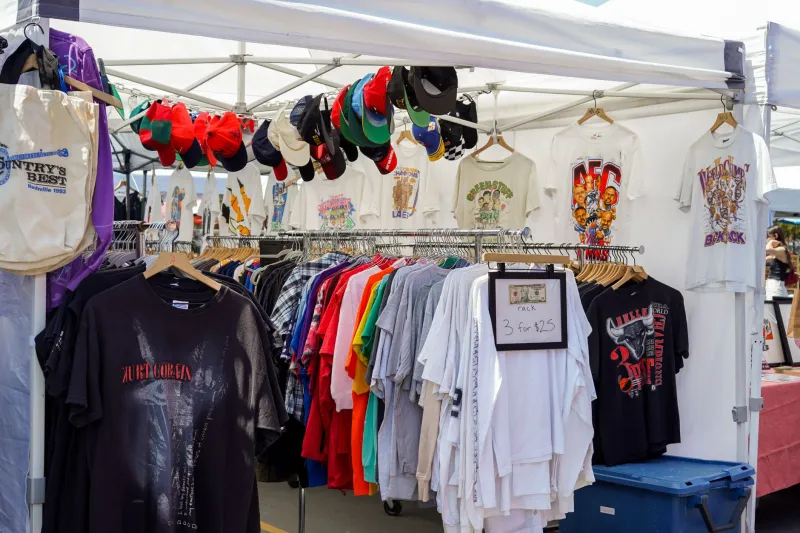
The New Label Deal Is a Hoodie
Ask any working band manager today where the real money lives, and they'll tell you the same thing: it's not streaming. Spotify pays fractions of pennies. Even a breakout playlist placement barely covers a week of gas. But a well-executed merch drop? That can fund an entire tour leg.
The math is surprisingly clean. A band with 8,000 engaged social followers who sells a limited run of 200 hoodies at $55 a piece just cleared $11,000 — before a single ticket is sold. Do that four times a year with rotating designs and you're looking at a real operating budget. No advance. No points. No A&R rep telling you to make the chorus bigger.
This is the model that's taken hold across the indie and alternative underground, and it's working because the audience has changed too. Fans of this music don't just want to listen — they want to belong. Wearing a shirt from a band with 3,000 monthly listeners isn't just fashion. It's a signal. It says I was there before anyone else.
Limited Drops and the Scarcity Playbook
One of the smartest moves bands have borrowed from the streetwear world is the limited drop. Instead of printing 500 shirts and hoping they sell over two years, bands are now announcing a 72-hour window or a strict run of 150 units. Sell out. Move on. Do it again in three months with a new design.
This approach does a few things at once. It creates urgency, which drives immediate sales. It keeps the merch table feeling fresh rather than stale. And critically, it builds a secondary market mystique — when fans see a sold-out item, they want in on the next one.
Bands like Philadelphia's Narrow Head and Chicago's Deeper have leaned hard into this model, treating each merch release almost like a small record label would treat a vinyl pressing. Numbered. Intentional. Gone when it's gone.
The designers behind these drops matter too. The era of a band's cousin making a Photoshop logo at midnight is largely over — at least for the acts taking this seriously. Bands are now collaborating with independent artists and illustrators, commissioning original artwork that gives each piece genuine collectible value. When the shirt looks like something you'd find in a gallery, people treat it that way.
What Actually Sells (And What Doesn't)
So what moves in today's market? We talked to a handful of merch designers and tour managers, and the answers were pretty consistent.
Heavyweight tees win. Fans have gotten picky. Thin, scratchy blanks feel like an afterthought. Bands investing in quality 6.1-oz cotton or premium fleece hoodies see far fewer returns and way more repeat buyers. The shirt has to survive real life — it's going to a festival, it's going to the laundromat, it's going to be worn until it falls apart.
Unexpected items outperform expectations. Hats, tote bags, and enamel pins consistently outperform expectations because they hit a lower price point and don't require someone to know their size. A $12 pin is an impulse buy. A $45 tee requires a little more commitment.
Story sells. Merch that comes with context — a lyric reference, artwork tied to a specific album, a design that only makes sense if you know the band — creates a layer of insider meaning that generic designs can't touch. Fans aren't just buying a product. They're buying proof of knowledge.
What doesn't sell: anything that looks like it was designed to sell. Fans can spot a cash grab from a mile away, and nothing kills merch credibility faster than a design that feels corporate or lazy.
The Infrastructure Behind the Independence
Building a merch operation isn't just about having good taste in graphic design. The bands doing this right have figured out the logistics too — and that's where a lot of acts stumble.
Fulfillment is the unsexy part nobody talks about. Selling 200 hoodies online sounds great until you're standing in your living room surrounded by boxes at midnight, trying to figure out shipping labels. Bands at a certain scale are now working with third-party fulfillment services that handle warehousing and shipping, which frees up the actual humans in the band to, you know, make music.
Platform choice matters too. Bandcamp remains a beloved option for its artist-friendly revenue splits and built-in community. Shopify setups give bands full control over their storefront experience. Some acts are even experimenting with drops through their own email lists, cutting out platform fees entirely and owning the customer relationship directly.
The bands who treat this like a real business — with actual inventory tracking, email marketing, and intentional release schedules — are the ones turning merch into a meaningful revenue stream rather than a side hustle.
More Than Money
Here's the thing that gets lost when we talk about merch purely as a financial strategy: it's also the most direct line a band has to its audience. Every person wearing your shirt is a walking billboard, sure. But they're also carrying a piece of the music with them into the world. Into the coffee shop. Into the record store. Onto the subway.
For underground bands operating without PR budgets or label marketing machines, that visibility is priceless. A well-designed piece of merch can start more conversations than a hundred social posts. It reaches people who weren't already following the band. It creates the kind of organic discovery that no algorithm can fully replicate.
That's ultimately why this model works — and why it's more than just a business story. It's about bands refusing to wait for permission. Building something real, piece by piece, shirt by shirt. Funding the next record without signing away the publishing. Keeping the van running without owing anyone anything.
The underground has always been self-sufficient by necessity. Now it's self-sufficient by design.
And honestly? The merch has never looked better.