Underground and Unashamed: Inside the Bootleg Merch Economy Fans Are Building From Scratch
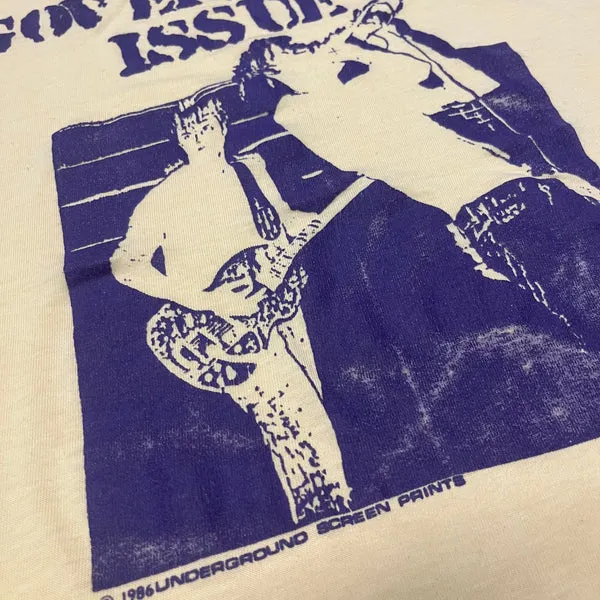
Photo: underground screen printing band merchandise DIY vintage tshirt, via jointcustodydc.com
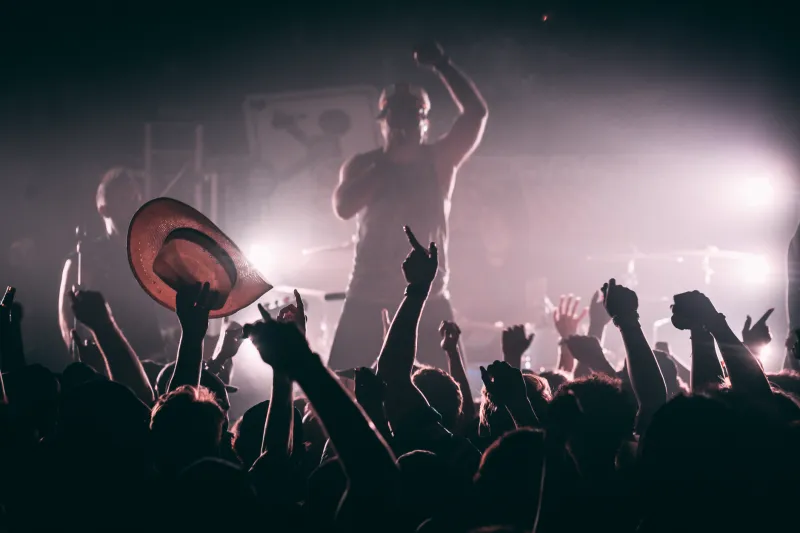
Walk through any general admission floor on a sold-out night and you'll spot them immediately—shirts that don't quite match the official table, hoodies with hand-drawn graphics, totes printed with fonts that feel somehow more right than anything the label approved. These aren't knockoffs in the counterfeit-handbag sense. They're something more complicated, more interesting, and frankly more culturally loaded than the industry wants to admit.
The bootleg merch economy is booming, and the people driving it aren't shady operators. They're fans.
Who's Making This Stuff, Anyway?
Meet Jordan Kellner, a 26-year-old screen printer based in Asheville, NC, who runs a small side operation selling hand-printed band tees through a private Instagram account and a rotating Etsy shop. He's careful about what he makes—focusing on artists whose official merch he considers "creatively dead"—and he sells out within hours every time he drops.
"I'm not trying to rip anyone off," he says. "Half the time the band doesn't even have a shirt for the tour I'm referencing. I'm filling a gap."
That gap-filling logic is everywhere in this space. Fans point to official merchandise that feels generic, overpriced, or simply disconnected from the music it's supposed to represent. A $55 box-cut tee with a logo slapped on by a label's merch partner doesn't carry the same energy as a vintage-wash bootleg someone designed at 2 a.m. because they loved an album that much.
Etsy has become a major hub for this activity, with searches for "band bootleg shirt" and "vintage style concert tee" pulling up thousands of listings—many featuring artists whose actual management teams have either looked the other way or issued half-hearted takedowns. Reddit communities like r/bootlegmerch and r/VintageTees have tens of thousands of members trading tips, drops, and seller recommendations.
The Collector Mentality
Here's what the mainstream conversation gets wrong: this isn't just about affordability. Plenty of bootleg buyers are spending more than they would on official gear. A custom screen-printed tee from a respected underground maker can run $60 to $90, sometimes higher for hand-numbered pieces. Collectors are paying that premium deliberately.
Samara Lin, a 31-year-old graphic designer in Chicago who describes herself as a serious music fan and merch collector, has a simple framework: "Official merch is the product. Bootleg merch is the culture."
For her, wearing something that a fellow fan made—something that required taste, risk, and genuine passion to produce—carries weight that a licensed Gildan tee simply can't replicate. She's not alone. In Discord servers and collector forums, bootleg pieces are increasingly traded like rare pressings. Condition, maker, and story all factor into their perceived value.
The Risk Is Real, But So Is the Community
Let's be clear: selling unlicensed band merchandise is legally murky at best and outright infringing at worst. Artists and labels hold trademark rights to names, logos, and likenesses, and enforcement actions do happen. Etsy regularly removes listings following DMCA complaints, and some larger bootleg operations have faced cease-and-desist letters.
But enforcement is wildly inconsistent. Major labels tend to pursue bigger fish—counterfeit operations selling thousands of units—while small-batch fan creators often operate in a gray zone that nobody seems eager to fully police. Some artists have even quietly signaled approval, liking fan-made designs on social media or wearing pieces made by fans themselves.
The community has developed its own informal ethics around this. Most respected underground makers avoid profiting heavily off a single artist's image, keep runs small, and stay in conversation with the fan communities they serve. It's a self-regulating ecosystem that looks a lot less like piracy and a lot more like fan culture doing what fan culture has always done.
What This Is Forcing the Industry to Reckon With
Here's the part that should make label merch departments uncomfortable: the bootleg economy is a direct referendum on their output.
When fans are going out of their way—and sometimes spending more money—to avoid official merchandise, that's not a legal problem. That's a creative failure. The underground market is thriving precisely because so much official merch is visually boring, ethically questionable (fast fashion partnerships are a real issue), and emotionally disconnected from the music.
Some artists are paying attention. Independent acts in particular are starting to hire designers from within their own fan communities, produce smaller and more intentional runs, and prioritize craft over volume. That's not a coincidence—it's a direct response to what the bootleg world has proven people actually want.
Venues are also rethinking their approach. Several mid-sized clubs across the US have started hosting unofficial merch markets in their parking lots before shows, essentially legitimizing the gray market while creating community around it. It's a pragmatic acknowledgment that you can't fully stop this economy—so you might as well be part of the conversation.
The Bottom Line
The bootleg merch economy isn't a threat to music culture. It is music culture, operating the way it always has—from the bottom up, driven by passion, and deeply skeptical of anything that smells like corporate approval.
For fans who live and breathe the scene, wearing a bootleg isn't about saving money or breaking rules. It's about choosing the version of fandom that feels most true. And in a world where authenticity is the most valuable currency going, that choice says everything.