When the Fan Becomes the Producer: Inside Indie Music's Creative Revolution
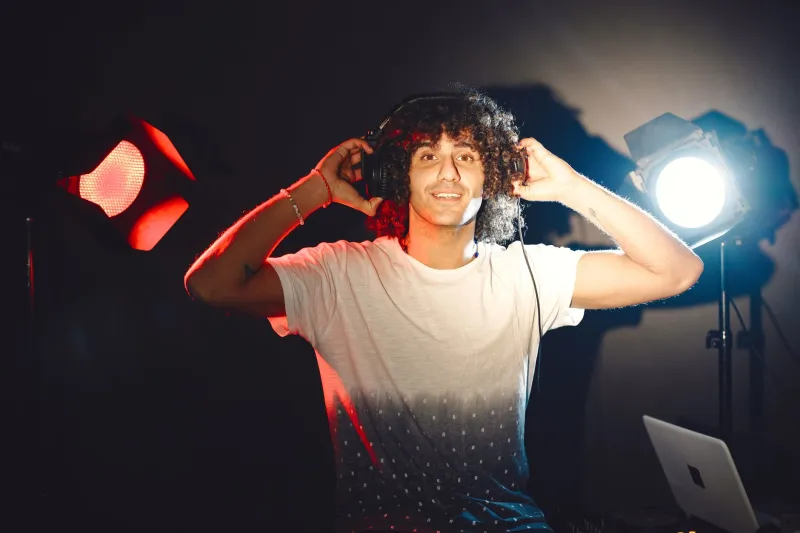
There's a moment a lot of music fans know well. You're deep in a band's catalog at 2 a.m., headphones on, and something clicks. You're not just listening anymore — you're hearing the layers, the choices, the space between the notes. For a growing number of fans, that moment isn't just an emotional experience. It's the beginning of a career.
The indie music world has always had a DIY backbone, but something genuinely new is happening right now. Fans who grew up obsessing over their favorite bands aren't just buying the records and the tees anymore. They're opening up GarageBand, Ableton, and Logic Pro, and they're making music — sometimes for themselves, sometimes as remixes, and increasingly, as full collaborators on official releases. The line between audience and creator has never been blurrier, and honestly? That's one of the most exciting things happening in music today.
The Bedroom Studio Pipeline
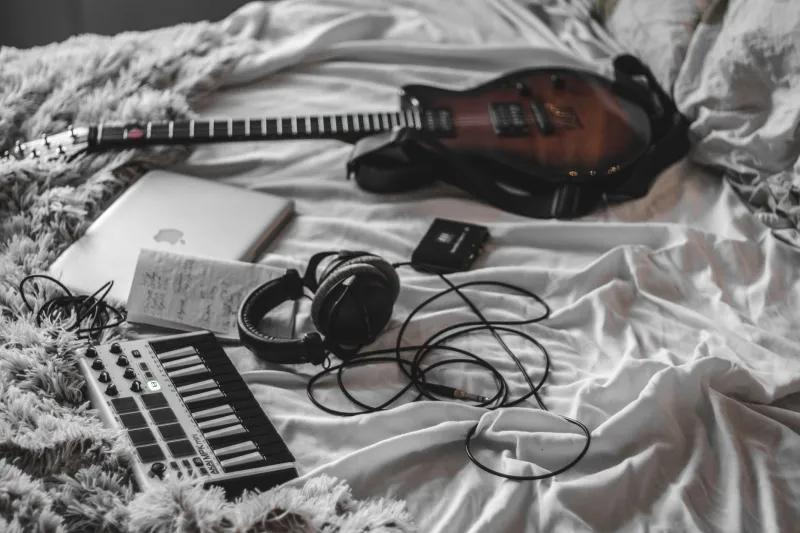
The tools that used to cost a small fortune are now accessible to almost anyone with a laptop and a decent pair of headphones. A full digital audio workstation can run you less than a nice pair of boots. Sample packs, online tutorials, and communities like Reddit's r/WeAreTheMusicMakers or various Discord servers have created an entire ecosystem where aspiring producers learn from each other at a pace that no formal music school could match.
What's unique about this generation of producers is that so many of them started as fans first. They weren't studying music theory in a classroom — they were obsessing over the sonic textures of their favorite indie acts, reverse-engineering sounds they loved, and eventually building something new from that foundation. That fan DNA runs deep in their work, and bands are starting to notice.
Take the case of artists like Alex G, whose lo-fi bedroom recordings built a devoted online following before any label came knocking. That kind of grassroots success sent a clear message to fans everywhere: the path from bedroom to stage is real, and it doesn't require a gatekeeper's approval.
Remixes That Became Résumés
For a lot of fan producers, the remix is where the story starts. Unofficial remixes — uploaded to SoundCloud, shared in fan Discord servers, passed around on Reddit — have become a kind of audition tape for the new era. A fan hears a track they love, reimagines it, posts it, and suddenly the band's own account is sharing it. That's not a hypothetical scenario. It's been happening with increasing regularity across the indie and alternative scenes.
Band accounts on Instagram and Twitter regularly surface fan remixes, tagging the creators and giving them exposure to thousands of listeners overnight. For some of these producers, that moment of recognition is a career pivot point. Labels and managers pay attention to what artists amplify, and a band co-signing your remix is a signal the industry reads.
Some fan producers have parlayed those early remix moments into actual studio relationships. They go from reinterpreting a band's existing catalog to sitting in on sessions, offering production ideas, and eventually receiving writing or production credits on official tracks. It's a pathway that didn't really exist ten years ago in the same way, and it's producing some genuinely fresh sounds because of it.
The Collaboration Model Is Changing
Traditionally, a band went into a studio with a seasoned producer who brought their own established aesthetic and process. That model still exists, but it's increasingly one option among many. Indie acts today are just as likely to co-produce their own records, work with a close friend who happens to have a home studio, or reach out to a fan whose SoundCloud remix caught their ear.
Bands like Soccer Mommy, Phoebe Bridgers, and Snail Mail have all operated within production ecosystems that prioritize intimacy and creative trust over industry prestige. That environment is naturally more open to unconventional collaborators — including people who came in through the fan door.
For smaller indie acts especially, there's a practical logic to working with dedicated fans. These producers already understand the band's aesthetic instinctively. They're not coming in with an outside agenda or trying to push the sound somewhere commercial. They want to serve the music because they love the music. That kind of creative alignment is genuinely hard to manufacture, and experienced producers who charge significant day rates can't always offer it.
Building Community Through Creation
What's interesting about this shift isn't just the music it's producing — it's the community structures forming around it. Fan producer collectives are popping up in online spaces, where groups of people who all love the same artists are also swapping stems, giving each other feedback, and collectively leveling up their craft. It's a creative scene nested inside a fan scene, and it's creating some tight-knit communities with real artistic output.
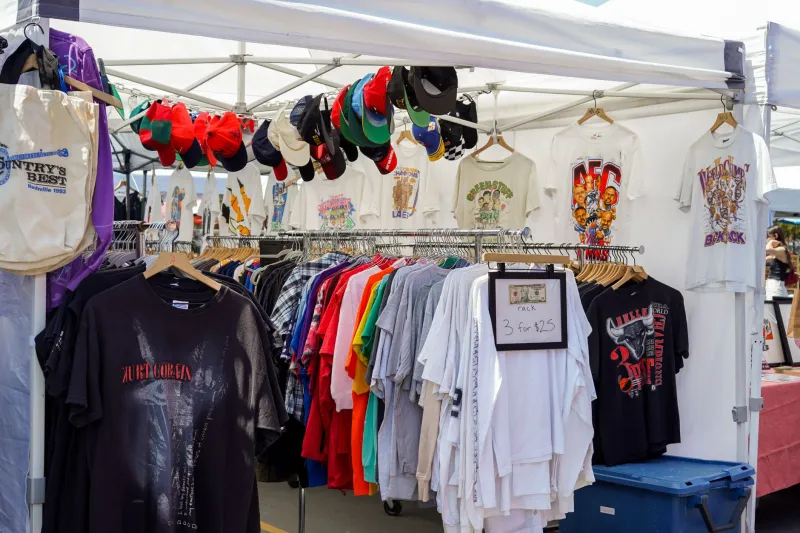
This mirrors something B&D Store has always understood about the relationship between music and identity. When you put on a band's shirt, you're not just wearing fabric — you're declaring membership in something. Fan producers are doing the same thing, except instead of wearing the culture, they're actively building it. The merch and the music are different expressions of the same devotion.
Some of these collectives have even started releasing their own compilations — fan-produced tracks inspired by or dedicated to specific bands, circulated through Bandcamp and Spotify. It's a genuinely new kind of tribute record, and it's creating spaces where emerging producers can get their work heard by an audience that's already primed to appreciate it.
What This Means for the Future
The democratization of music production tools isn't slowing down. If anything, AI-assisted production software is about to make the barrier to entry even lower, which means the pipeline from obsessive fan to legitimate producer is only going to widen. For indie music specifically — a world that has always valued authenticity and creative ownership — this feels less like a threat and more like an expansion.
Bands that lean into this dynamic, that treat their fan base as a creative community rather than a passive audience, are building something that goes beyond a typical artist-listener relationship. They're cultivating ecosystems. And those ecosystems — full of people who care deeply about the music, who wear the shirts, who show up to the small venue shows and the festival sets — are exactly the kind of foundation that sustains a long career.
The fan who became a producer isn't a novelty act. They're increasingly a central figure in how indie music gets made, distributed, and experienced. And that's a shift worth paying attention to — because the next record you fall in love with might have been shaped by someone who, not too long ago, was just like you: headphones on, deep in the catalog, listening for the layers.