Scale Without Surrender: The Indie Artist's Guide to Growing Merch Without Losing the Plot
Let's be honest about something: the romantic image of an indie artist hand-stamping every tote bag and personally writing thank-you notes for every online order is genuinely beautiful — and also completely unsustainable past a certain point. The question isn't whether growth changes your operation. It will. The question is whether it changes what the operation means.
That's the tension at the center of every conversation about indie artists scaling their merch, and it's a conversation worth having directly instead of dancing around it.
The Moment the Math Stops Working
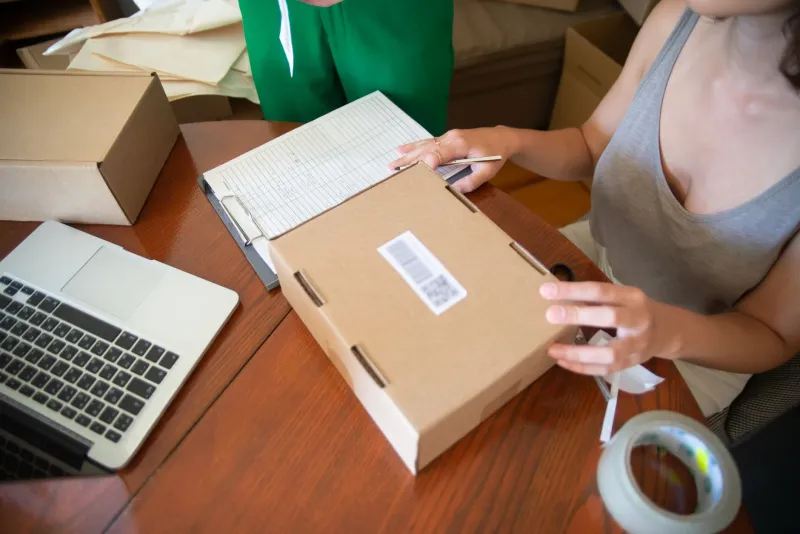
Most artists who've built any kind of real following can tell you exactly when it happened. One week you're packing 30 orders on a Sunday afternoon. Then a song clips on TikTok, or a playlist placement hits, or a feature drops — and suddenly you're looking at 400 orders and a shipping deadline you cannot physically meet with two hands and a tape dispenser.
That inflection point is where a lot of artists make decisions they later regret. Some panic and hand everything off to a fulfillment company without thinking through what that means for quality control or fan experience. Others refuse to scale at all and let the demand quietly erode because they can't fulfill it. Neither extreme serves the artist or the fans particularly well.
The artists navigating this most successfully tend to share one trait: they're deliberate about what they're protecting before they decide how to grow. They know which parts of their merch operation carry their fingerprints — the things that make a package from them feel different from a package from a generic online store — and they protect those things fiercely while letting go of the logistics that were never part of the magic anyway.
What Authenticity Actually Means in Practice
Here's where things get philosophically interesting. "Authenticity" gets thrown around so much in indie music culture that it's in danger of losing meaning entirely. But when it comes to merch, it translates into something pretty concrete: do your fans feel like this product came from you, or does it feel like something that could have come from anywhere?
That feeling doesn't necessarily require you to screen-print every shirt yourself. It requires intentionality about design, quality, and communication. An artist who works closely with a designer to develop graphics that genuinely reflect their visual world, who chooses materials thoughtfully, who shows their process on social media and talks openly about where things are made — that artist can use a fulfillment partner and still deliver something that feels personal.
Conversely, an artist who slaps their logo on a 12-item Printify catalog with zero curation is doing something that fans will recognize as hollow almost immediately, regardless of how small their operation is. Authenticity isn't about scale. It's about care.
The Case For and Against Distributor Partnerships
This is where opinions in the indie community diverge pretty sharply, and it's worth representing both sides honestly.
The case for working with a merch distributor or fulfillment partner is straightforward: it frees up time, reduces operational stress, and allows you to focus on the creative work that actually builds your audience in the first place. If you're spending 20 hours a week on shipping logistics, those are 20 hours not spent writing songs, building relationships with your fans online, or developing your next visual concept. The opportunity cost is real.
The case against — or more accurately, the case for caution — is equally real. Distributors and fulfillment companies have their own interests, and those interests don't always align with an artist's creative vision or fan relationship. Minimum order requirements can push artists toward designs they're not fully behind. Standardized packaging strips out the personal touches that make unboxing a piece of indie merch feel like receiving something from a friend. And once you're locked into a distribution agreement, the terms can be difficult to renegotiate.
The artists who've threaded this needle most successfully tend to use fulfillment infrastructure for the operational heavy lifting while maintaining full creative control over everything the fan actually experiences. The box gets packed by a warehouse somewhere in Ohio. The design on it, the note inside it, the insert card with the handwritten lyric — that still comes from the artist.
Case Studies Worth Learning From
Without naming names in a way that becomes a listicle, there are patterns worth noting in artists who've scaled merch without losing their fanbase's trust.
The most common thread is communication. Artists who are transparent about growth — who tell their community "hey, we got too big for my kitchen table, here's what we're doing differently" — tend to bring their fans along for the evolution rather than losing them to it. Fans aren't naive. They understand that success means change. What they don't forgive is pretending nothing changed when it clearly did.
Another pattern is the continued investment in limited and exclusive pieces alongside the scaled catalog. Even if your main line is fulfilled through a partner, keeping a small run of hand-finished or artist-direct items in rotation maintains the sense that there's still something at the top of the merch pyramid that's truly personal. It gives your most dedicated fans a reason to pay attention and a way to feel closer to you even as your audience grows.
The Philosophical Bottom Line
Scaling merch is ultimately about deciding what you're in the business of. If you're in the business of making money from your music career, then optimizing for efficiency and margin makes complete sense. If you're in the business of building a community around your art — which is what most genuinely independent artists will tell you they care about — then every decision about merch needs to be filtered through the question: does this strengthen or weaken the relationship between me and the people who believe in what I'm doing?
Those two goals aren't mutually exclusive. But they require different default settings. And the artists who stay true to themselves through growth are usually the ones who figured out which goal they were actually optimizing for before the orders started stacking up.
Growth doesn't have to mean selling out. It just means being honest about what you're selling.