Own Your Sound: Why Bandcamp Is the Anti-Label Revolution Artists Actually Needed
There's a version of the music industry dream that looks like this: a suit-wearing A&R rep slides a contract across a glossy conference table, and suddenly, you're famous. For decades, that fantasy was the only roadmap most musicians thought existed. Then Bandcamp showed up and quietly torched the whole thing.
Launched in 2008 and operating largely under the mainstream radar until the 2010s indie boom turbocharged its relevance, Bandcamp built something the music industry had never really tried before — a platform designed around the artist's interests first. Not the label's. Not the algorithm's. The artist's.
And right now, in a moment when Gen Z musicians are more skeptical of institutional gatekeeping than any generation before them, that philosophy is hitting different.
The Math That Changes Everything
Let's talk numbers, because the economics of Bandcamp are genuinely kind of staggering compared to the alternatives. When a fan buys your record directly on Bandcamp, you walk away with roughly 80 to 85 percent of the sale. Compare that to the fractional-cent-per-stream payouts from major streaming platforms, where an artist might need hundreds of thousands of plays just to cover a month's rent, and the appeal becomes obvious fast.
Bandcamp also runs what it calls Bandcamp Fridays — days where the platform waives its revenue share entirely, meaning artists pocket 100 percent of sales. During the pandemic, those Fridays became lifelines for musicians who'd lost every touring dollar overnight. Fans showed up in force, turning the platform into something that felt less like a marketplace and more like a mutual aid network built around music.
That kind of structural generosity isn't an accident. It reflects a fundamental design philosophy: the platform exists to serve creators, not to extract value from them.
Creative Control Isn't a Perk — It's the Point
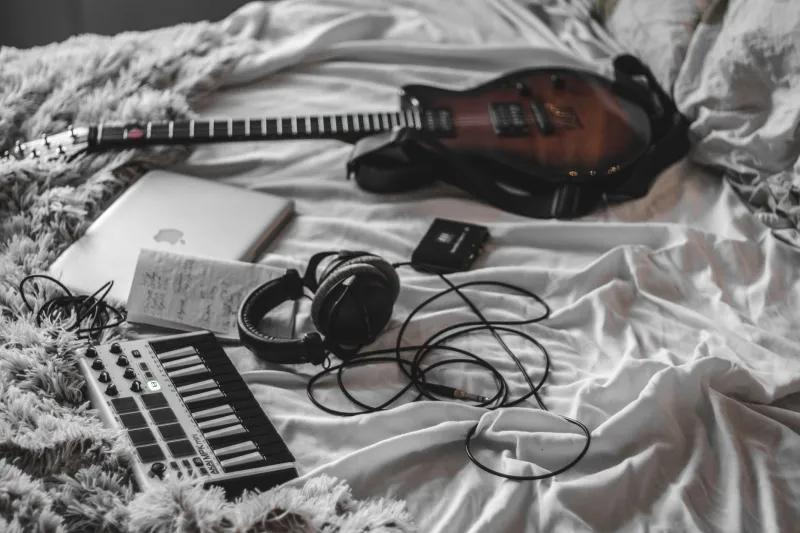
Major label deals come with strings attached. Lots of them. Release schedules dictated by marketing windows. Album artwork run through committee approval. Pricing decisions made by people who've never heard your music. For a certain kind of artist — the kind who built their sound in a bedroom, who designed their own merch, who knows exactly what they're trying to say — that model is suffocating.
Bandcamp doesn't work that way. Artists set their own prices. They choose their own release dates. They decide whether to offer a pay-what-you-want model, a fixed price, or a tiered system that bundles vinyl with digital downloads and handwritten lyric sheets. The platform is a tool, not a boss.
This matters enormously in the alternative and indie space, where artistic identity is inseparable from the work itself. The bands whose shirts fill the racks at B&D Store — the ones making music that actually means something to people — aren't building careers by committee. They're making decisions on instinct, on vision, on a direct read of what their audience actually wants. Bandcamp lets them do that without asking permission.
Gen Z Is Rewriting the Artist-Fan Contract
Here's something that doesn't get said enough: Gen Z musicians grew up watching older artists get chewed up by systems that promised exposure and delivered exploitation. They watched streaming royalties fail to sustain careers. They watched labels own masters while artists owned nothing. They absorbed that lesson, and they're making different choices.
Bandcamp fits neatly into a broader Gen Z ethos around ownership and authenticity. On this platform, fans aren't just passive listeners — they're supporters in the most literal sense. When someone buys your EP on Bandcamp, they're making a conscious decision to put money in your pocket. That transaction carries weight. It creates a different kind of fan relationship than adding a song to a Spotify playlist ever could.
Artists feel it too. The comment sections on Bandcamp pages function almost like message boards — fans leave notes when they buy, artists respond, communities form around releases. It's low-key, it's personal, and it's entirely free of the performance-for-the-algorithm energy that exhausts so many musicians on other platforms.
Merch, Music, and the Direct Connection
For anyone in the band merch world — and if you're here at B&D Store, you're definitely in that world — Bandcamp's model points toward something important about how artist-fan relationships are evolving. The platform has long allowed artists to sell physical merchandise alongside music, treating the whole ecosystem of what an artist offers as a unified thing rather than siloing it into separate revenue streams.
That integration matters. The best band merch has always been an extension of the music — the same energy, the same aesthetic, the same story told in fabric and ink instead of sound. When artists control their own distribution, they control that narrative from end to end. The shirt design doesn't have to be approved by a licensing department. The limited vinyl variant doesn't have to fit a retail chain's inventory model. Everything flows from the artist's vision directly to the fan who cares about it.
That's the kind of creative ecosystem that produces the genuinely iconic pieces — the shirts that become artifacts, the records that get passed between friends like contraband, the merch drops that sell out in twenty minutes because the community is real and the connection is genuine.
What This Means for the Future of Music Commerce
Bandcamp isn't perfect. The platform's acquisition by Epic Games in 2022 raised plenty of eyebrows in the indie community, and subsequent layoffs sparked real anxiety about whether its creator-first principles would survive corporate ownership. Those concerns are legitimate and ongoing.
But the model Bandcamp pioneered — direct sales, artist-controlled pricing, transparent revenue sharing — has already changed the conversation around what music distribution can look like. Other platforms are being pressured to improve royalty structures. The idea that artists deserve a real cut of what their work generates is no longer a fringe position; it's becoming an expectation.
For independent musicians building careers outside the traditional label system, Bandcamp remains one of the most honest deals available. And for fans who want their support to actually reach the artists they love, it's still one of the clearest paths to making that happen.
The Bedroom Studio as Power Base
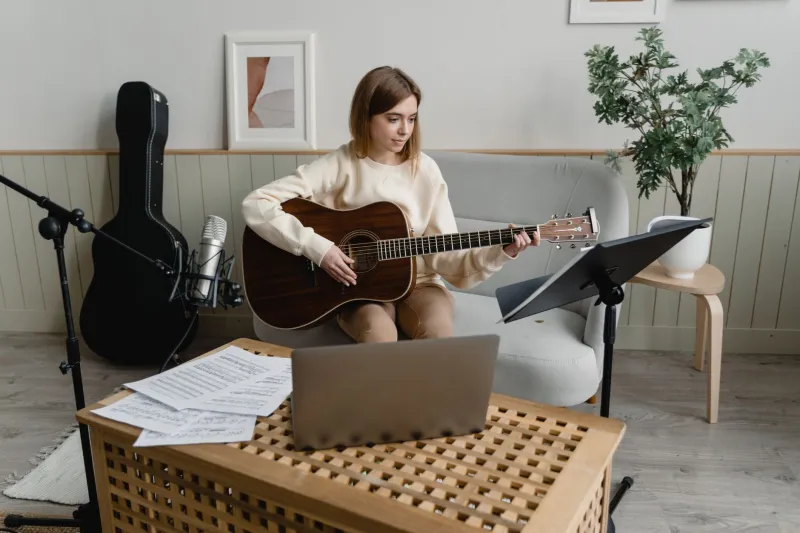
There's something genuinely exciting about living in a moment when a musician with a laptop, a decent microphone, and a Bandcamp account can build a sustainable career without ever shaking hands with a label executive. The barriers that used to make the music industry a closed shop are crumbling, and artists who understand how to use the tools available to them — distribution platforms, direct fan relationships, smart merch strategies — are thriving on their own terms.
That's the spirit B&D Store was built around: the idea that music culture belongs to the people making it and the people living it, not to the institutions that used to control access to both. Wear the music. Live the scene. And maybe, if you're an artist reading this, own your masters while you're at it.