The Scarcity Playbook: How Smart Indie Acts Are Using Limited Drops to Build Real Loyalty
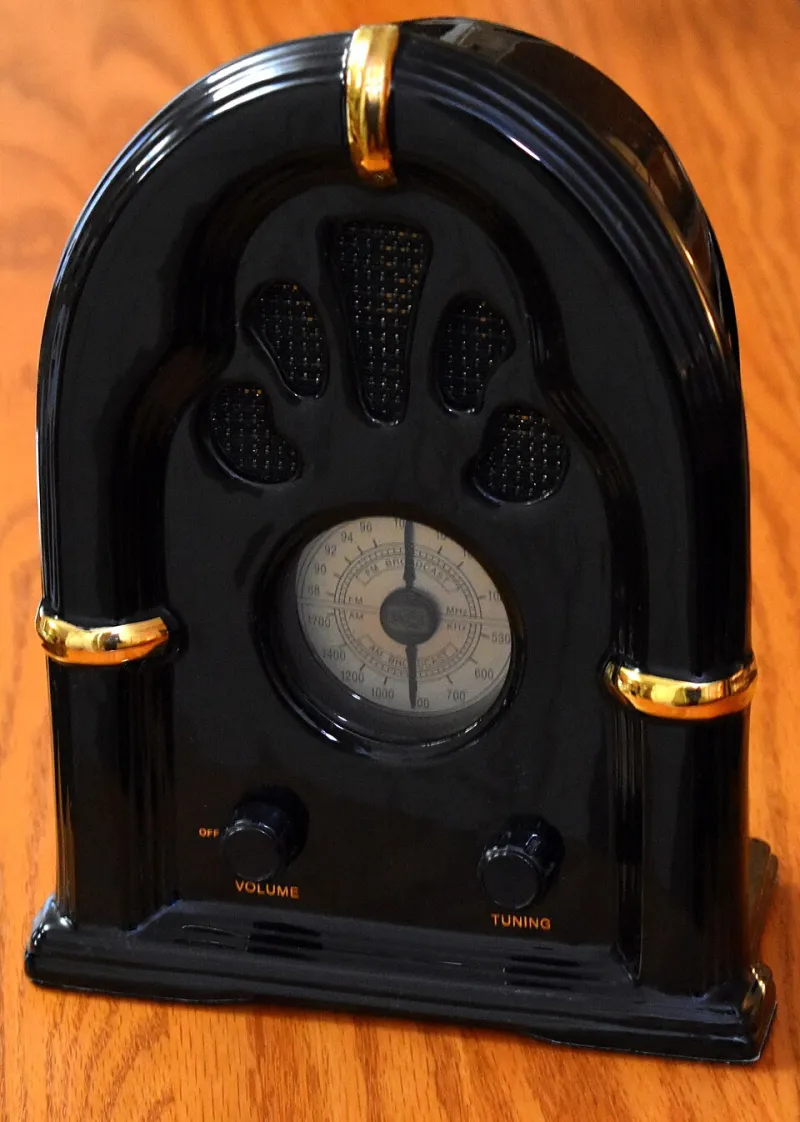
Photo: Joe Haupt from USA, CC BY-SA 2.0, via Wikimedia Commons
There's a specific kind of dread that lives in the refresh button. You've had the tab open for twenty minutes, your card info is already in, and the countdown clock is sitting at 0:47. When the drop goes live, you have maybe three minutes before everything in your size is gone. You either get it or you don't, and if you don't—you'll be thinking about it for weeks.
That feeling is not an accident. For a growing number of indie artists, engineered scarcity is one of the most powerful tools in their marketing kit. Used well, it builds fanbases that feel less like audiences and more like tribes. Used badly, it alienates exactly the people an artist needs most.
Why Scarcity Works on a Psychological Level
Humans are wired to want things that are hard to get. Behavioral economists have documented this for decades—perceived rarity increases desirability, and the fear of missing out is a more powerful motivator than the promise of reward. In merch terms, that means a limited-edition pressing of a tour shirt will generate more excitement than an unlimited standard version, even if the actual product is nearly identical.
But scarcity in music merch carries an extra layer. These aren't just objects—they're signals. Owning a piece from a specific drop communicates something to other fans: I was there. I'm plugged in. I care enough to have been paying attention at exactly the right moment. That's identity, not just commerce.
Dr. Priya Mehta, a consumer psychology researcher who studies fan behavior, puts it plainly: "The purchase becomes a story. And people share stories. That's essentially free marketing with an emotional depth that paid advertising can't touch."
Artists Who Got It Right
Consider what Portland-based indie folk act Wren Hollow did with their Winterform EP campaign last year. Instead of a standard merch bundle, they released three variants of a hand-sewn patch set—each in a run of 150—tied to different pre-order windows. The first window was open to their mailing list only. The second went to Bandcamp followers. The third was public, but only lasted 36 hours.
The result wasn't just sales. Each window created a wave of social activity as fans shared screenshots, compared notes, and debated which variant was rarest. By the time the EP dropped, the band had grown their mailing list by 40%, added thousands of Bandcamp followers, and generated a backlog of user content that kept them visible for weeks.
"We didn't have a big budget," says the band's guitarist and de facto merch director, Cass Tanner. "We had a good idea and we trusted that our fans would care if we gave them a reason to."
Similar playbooks have worked for acts across genres. Limited tour-exclusive colorways, hand-numbered zines, regional-only items available only at specific venue shows—each creates a scarcity event that rewards the most engaged fans while giving casual listeners something to aspire toward.
The Difference Between Real Rarity and Manufactured FOMO
Here's where it gets complicated. There's a meaningful distinction between genuine scarcity—a small-batch run that's limited because of production realities, craft constraints, or intentional design—and artificial scarcity, which is just restricting supply to inflate perceived demand.
Fans are increasingly good at telling the difference, and they talk.
When an artist releases a "limited" item that restocks three weeks later, or announces an "exclusive" drop that's available at every merch table on a 50-city tour, the credibility hit is real. Online forums and fan Discord servers move fast, and the word "scam" gets thrown around more readily than labels and managers might expect.
"We've seen it backfire badly," says Milo Reyes, who manages merch operations for several mid-level indie acts. "An artist creates this huge FOMO moment, sells out in minutes, then does a restock because they see money on the table. The fans who paid attention the first time feel punished for caring. You don't get that trust back easily."
The formula that actually holds up over time is one where scarcity reflects something real—limited production capacity, a genuine one-time event, a collaboration with a small-batch maker. Fans can forgive a lot, but they won't forgive feeling manipulated.
When the Strategy Starts to Backfire
Drop culture has become so common in indie merch circles that the fatigue is starting to show. When every release is an event, no release feels like one. Some fans report "drop burnout"—a kind of exhausted cynicism that develops after too many rushed checkout experiences and too many sold-out disappointments.
There's also an access equity problem that more artists are confronting. If your most dedicated fans are working multiple jobs, living in time zones where drops hit at 3 a.m., or simply don't have the financial flexibility to act on 48-hour windows, you're systematically excluding them from the community you're supposedly building. Several artists have started addressing this directly—offering waitlists, second-chance windows, and payment plans to make sure scarcity doesn't become classism.
What the Best Drops Have in Common
After looking at dozens of successful limited-merch campaigns, a few patterns emerge. The drops that build lasting loyalty tend to be honest about why something is limited. They reward the existing community first—mailing list members, Patreon supporters, longtime followers—before going wide. They pair the scarcity with genuine craft: something actually worth having, not just worth owning because it's hard to get.
And they don't do it every month. Scarcity only works when it means something, and it only means something when it's not the default setting.
For indie artists navigating this space, the lesson is straightforward: limited drops are a tool, not a strategy. The strategy is building a community that trusts you. Everything else follows from that.