No Permission Needed: How TikTok Handed the Keys to the Fans
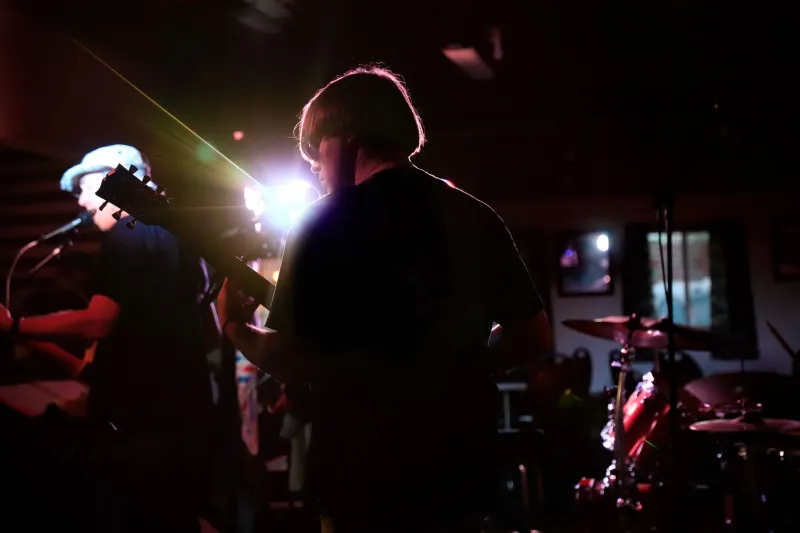
There used to be a very specific path to making it in music. You played enough dive bars, caught the ear of a manager who knew a guy who knew a label rep, got signed, got a radio promoter, and — if the planets aligned and the budget held — maybe your song ended up in rotation between a car insurance ad and a classic rock staple at 2 in the afternoon. The whole system was a ladder, and most artists never got past the first rung.
That ladder is kindling now.
The Old Guard and How It Worked
To understand how radical the current moment actually is, it helps to remember just how locked-down music discovery used to be. Through most of the 20th century, radio program directors were basically cultural arbiters. They decided what got heard, and what got heard determined what got bought. MTV added a visual layer in the '80s and '90s, but the logic was the same — a small group of tastemakers controlled the pipeline, and major label budgets greased the wheels.
Even the early internet didn't fully break the mold. Blogs helped, sure. Pitchfork could make or break an indie act through the 2000s, and MySpace gave bands a direct line to listeners. But those platforms still had their own informal hierarchies — certain writers, certain playlists, certain algorithms that rewarded artists who already had a foothold.
The gatekeepers just moved online. They didn't disappear.
Fifteen Seconds Changed Everything
Then TikTok showed up and did something genuinely different. It didn't just give artists another place to post — it built a discovery engine that actively rewards content over clout. The For You Page doesn't care if you have a publicist. It doesn't care if your label has a promotional budget. It cares whether the person who just watched your video watched it all the way through, shared it, stitched it, dueted it, or used your audio to soundtrack their own moment.
That last part is the key. When a user grabs your song to back a thrift-flip video or a late-night parking lot drive, they're not just sharing your music — they're embedding it into their own life and broadcasting that connection to their followers. It's word-of-mouth at algorithmic scale, and it's something no radio program director ever had the ability to manufacture.
Artists like Renata Zeiguer, Towa Bird, and Wednesday have all spoken publicly about the role short-form video played in expanding their audiences far beyond what traditional indie press cycles could have delivered. These aren't artists who went viral doing something gimmicky. They made music that resonated, posted consistently, and let the platform's mechanics do what they're built to do.
What the Data Actually Says
Spotify's own editorial teams have acknowledged the shift. Songs that blow up on TikTok routinely see streaming spikes of 300–500% within days of going viral, and those numbers don't just spike and drop — they tend to hold, because the discovery is happening organically through real listener enthusiasm rather than a paid push. Chartmetric data has repeatedly shown that TikTok virality now precedes chart performance, rather than following it. The tail is wagging the dog.
For indie artists, this is a seismic change. A band from Asheville or Omaha or Tucson can now build a legitimate national fanbase without ever setting foot in a label office. They can sell merch, book shows, and fund their next record entirely on the strength of a community they built themselves — one fifteen-second clip at a time.
The New Gatekeepers (And Why They're Different)
Here's where it gets complicated, though. Saying there are no gatekeepers anymore isn't quite right. TikTok's algorithm is itself a kind of gatekeeper, and it's one that operates as a black box. Artists of color have documented real disparities in how their content gets surfaced. Certain sounds and aesthetics trend harder than others, which can push artists toward conformity in ways that echo old industry pressures.
And then there's the licensing question. TikTok's relationship with major labels has been rocky and evolving, with periodic standoffs over royalty structures that can pull entire catalogs off the platform overnight. For independent artists, navigating that landscape without legal support is genuinely tricky.
But even accounting for all of that, the power balance has shifted in ways that feel permanent. The artist-to-fan relationship is more direct than it has ever been. When someone discovers a band on TikTok and then buys a shirt from that band's website, the transaction is between two people who found each other without a middleman taking a cut of the introduction. That matters.
What This Means for How We Shop the Music We Love
At B&D Store, we think about this a lot. The artists whose work fills our shelves — the ones whose graphics end up on tees, hoodies, and tote bags — are increasingly people who built their fanbases exactly this way. Not through a label's marketing campaign, but through genuine connection with listeners who found them in the wild.
When you buy merch from an emerging indie act, you're not just picking up a piece of clothing. You're participating in the ecosystem that keeps that artist going. You're the proof of concept that says they don't need a gatekeeper's blessing to have a career. Every purchase is a small, real vote for the idea that music belongs to the people who love it — not the people who used to control access to it.
The old hierarchy kept a lot of genuinely great music from ever reaching the ears it deserved to reach. TikTok didn't fix everything, and it introduced its own set of complications. But it cracked the door open in a way that's hard to slam shut again.
The Scene Is Yours Now
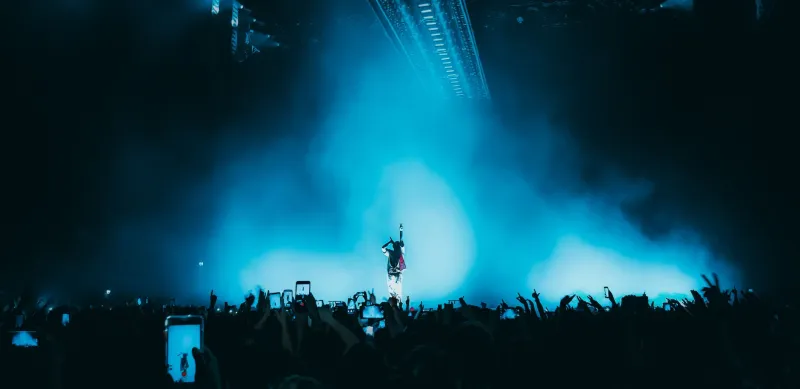
If you're a fan of alternative and indie music in 2024, you're living in a genuinely unusual moment. The bands you love might be playing to 200 people in a basement right now and selling out 2,000-cap venues by next spring — not because a label decided to invest in them, but because a few thousand people on the internet decided they were worth sharing.
That's a kind of power fans have never really had before. Use it. Stream the weird stuff. Buy the shirt. Show up to the show. Leave a comment that actually says something. The gatekeepers are gone, and the scene is ours to shape.
Wear the music. Live the scene. You've got more influence than you think.